Why Is My Driveway Turning Green? Algae, Mould & How to Fix It for Good
The green and black growth is algae, mould and lichen — and the reason it always comes back after a quick blast. Here's what actually fixes it.
The quick version
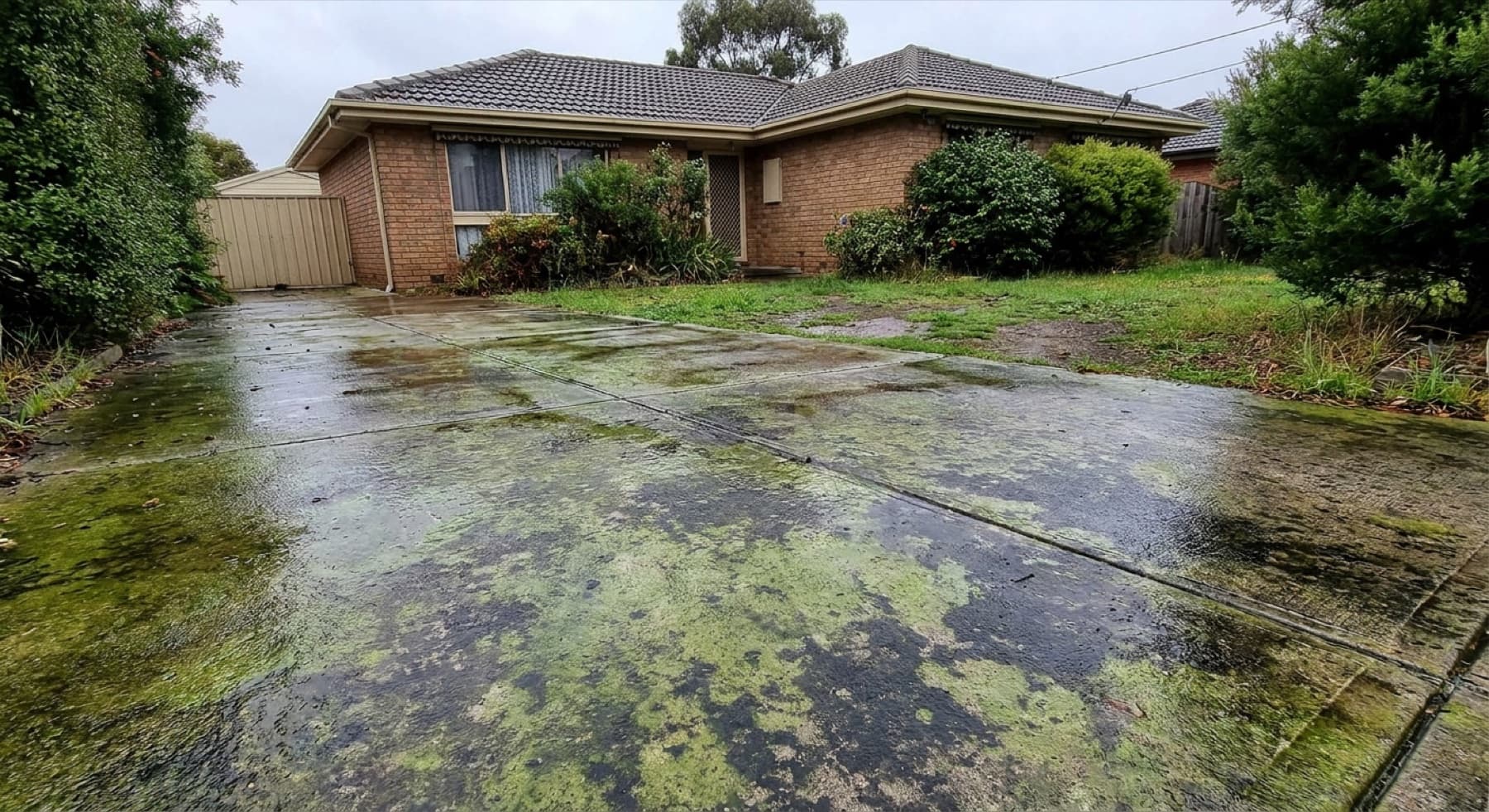
- The green is algae; the black is mould and lichen — all thrive on damp, porous, shaded concrete.
- Just blasting it removes what you can see but leaves the spores, so it grows straight back.
- The lasting fix is a biocidal treatment left to kill it at the root, then a proper wash.
- Sealing afterwards slows regrowth by keeping moisture out of the surface.
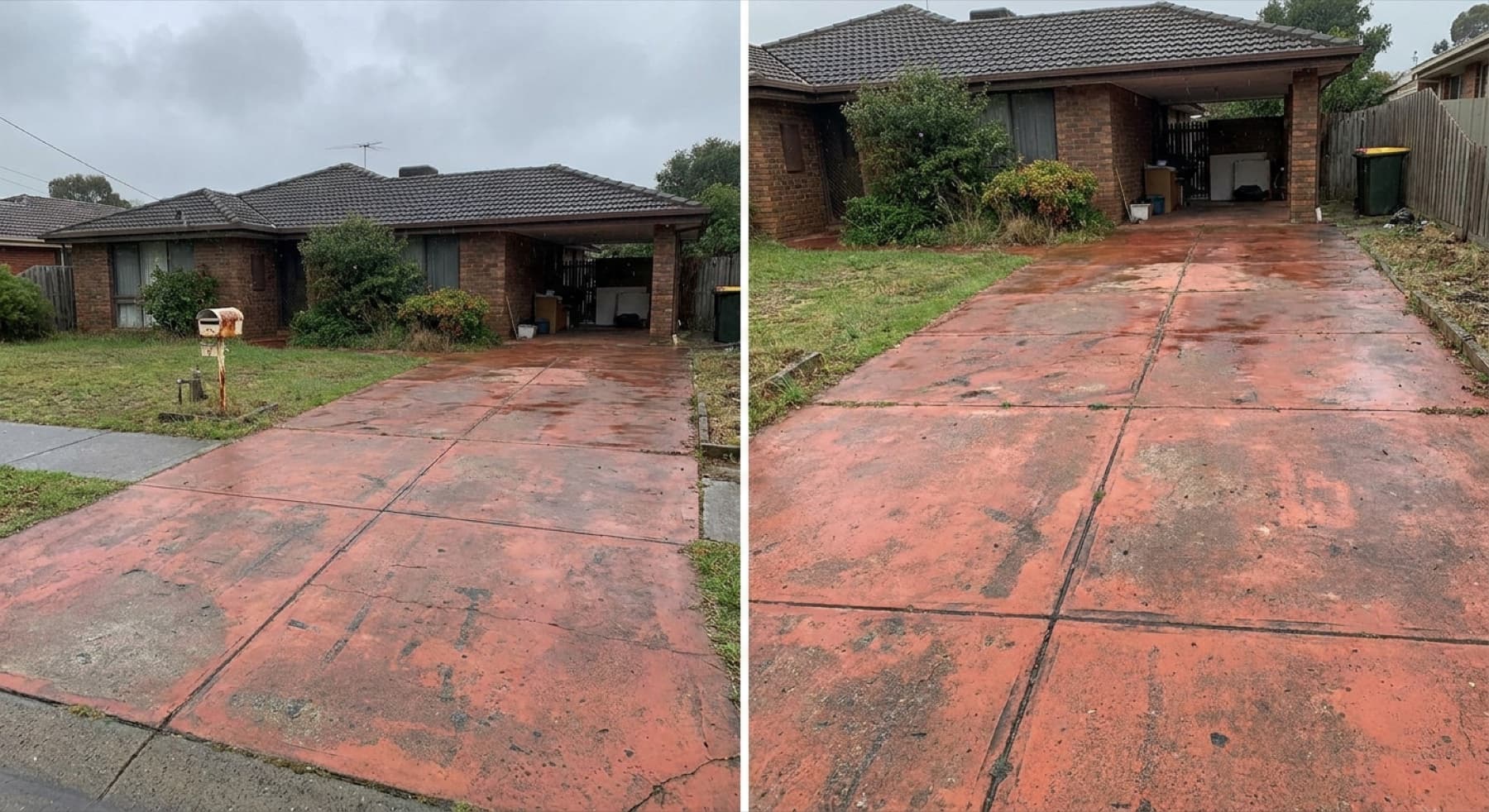
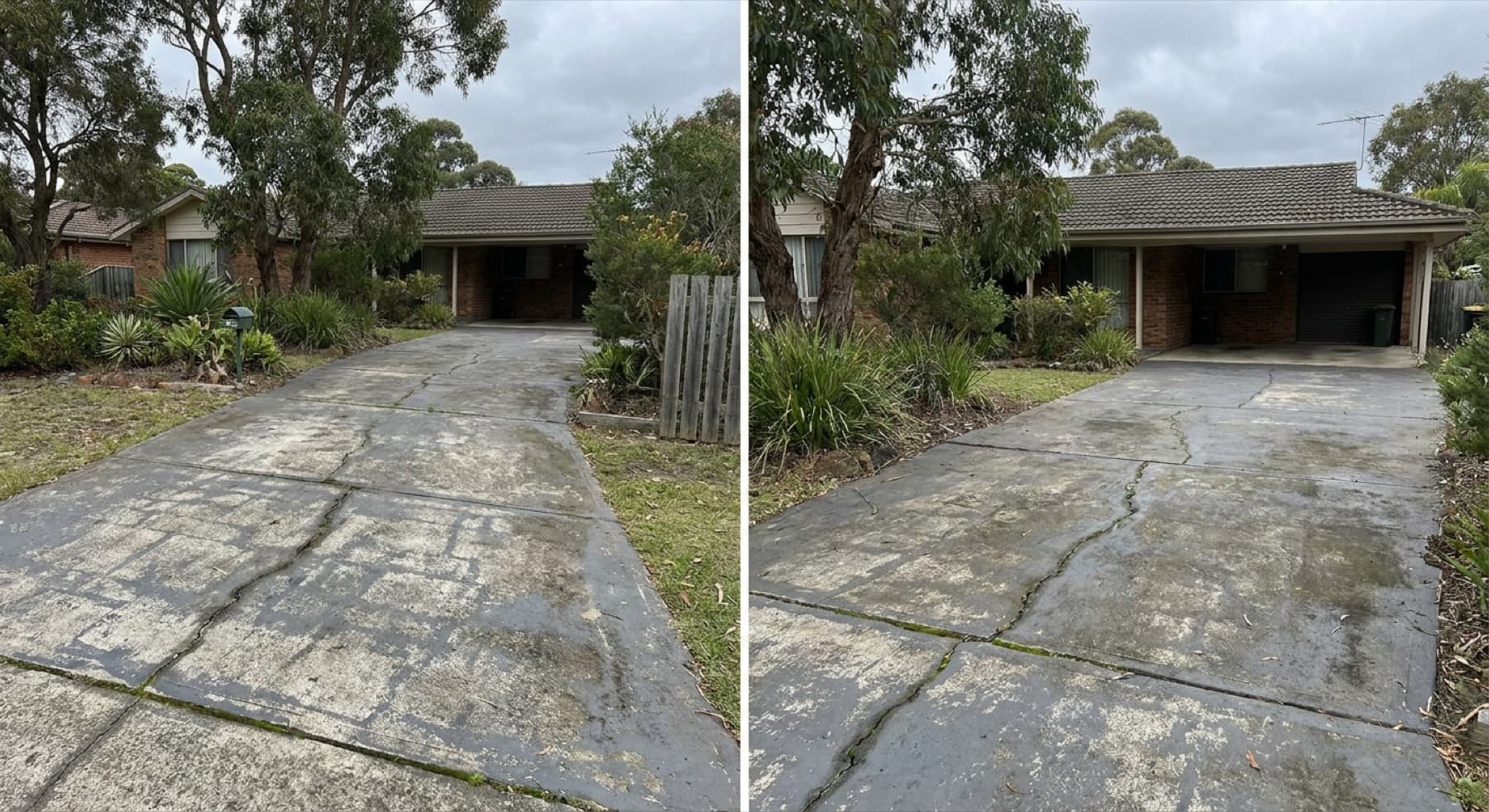
If your driveway has gone green, patchy black, or grown crusty grey-green spots, you're not alone — it's the single most common thing we're called out for on the Central Coast. And there's a good reason it keeps coming back no matter how many times you blast it.
What the green (and black) actually is
Concrete is porous — it holds moisture like a sponge. That damp surface is the perfect home for algae (the green film), mould (the black staining) and lichen (those tough grey-green crusty patches). Our humidity, salt air and shady, tree-lined blocks make it worse, which is why shaded and south-facing driveways go worst of all.
Why blasting it never lasts
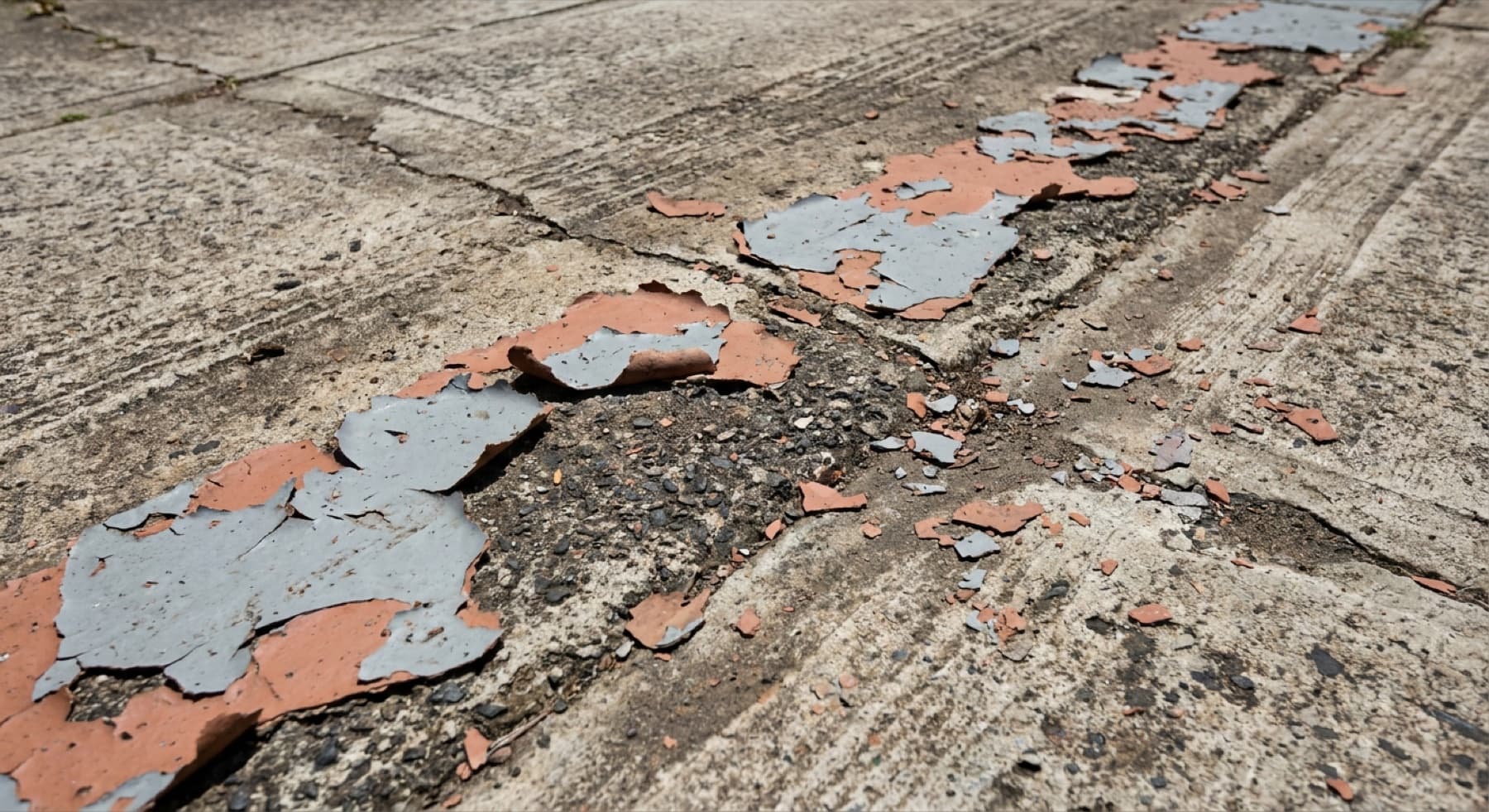
A pressure washer blasts off the growth you can see — for a few weeks it looks great. But it doesn't kill the spores left in the pores of the concrete, so the algae simply regrows from where it started. Worse, blasting a decorative or stencil driveway at high pressure can etch the surface and strip what's left of the old sealer, making it even more absorbent and quicker to green up next time.
The fix that actually works
- Treat it, don't just blast it — a proper driveway clean starts with a biocidal treatment left to dwell so it kills the algae and mould at the root, not just on the surface.
- Then wash it back — with the growth dead, a controlled clean lifts it away cleanly and evenly, matched to your surface so nothing gets damaged.
- Then seal it — a sealed surface holds far less moisture, so there's much less for algae to feed on and it stays clean for far longer.
Coastal tip: driveways near the beach at Terrigal, Avoca or Copacabana green up faster because of the salt and humidity — sealing after the clean makes a bigger difference here than almost anywhere.
Will bleach or supermarket cleaner fix it myself?+
A bleach or biocidal cleaner left to dwell will kill surface algae, and it's fine for a light case — just keep it off your plants and pets. For heavy growth, deep staining or a decorative surface, a proper treat-and-wash gets a far better, more even result without damaging the concrete.
Why does only part of my driveway go green?+
The shaded, damp, south-facing sections stay wet longest, so algae takes hold there first. Under trees and along fence lines are the usual worst spots.
How do I stop it coming back?+
Kill it at the root rather than just blasting it, then seal the surface. Sealing is the difference between a clean that lasts a season and one that lasts years.
Written by the Clean & Seal team — two brothers who clean and colour-seal driveways across the Central Coast, NSW. We wrote this from real jobs, not a brochure.