Colour Seal vs Paint: Why Painting Your Driveway Is Usually a Mistake
They look similar in the tin, but they behave completely differently on your driveway. Here's why painting a driveway usually ends in peeling — and what to do instead.
The quick version
- Paint is a film that sits on top of the concrete; a colour seal soaks into the top layer and colours it.
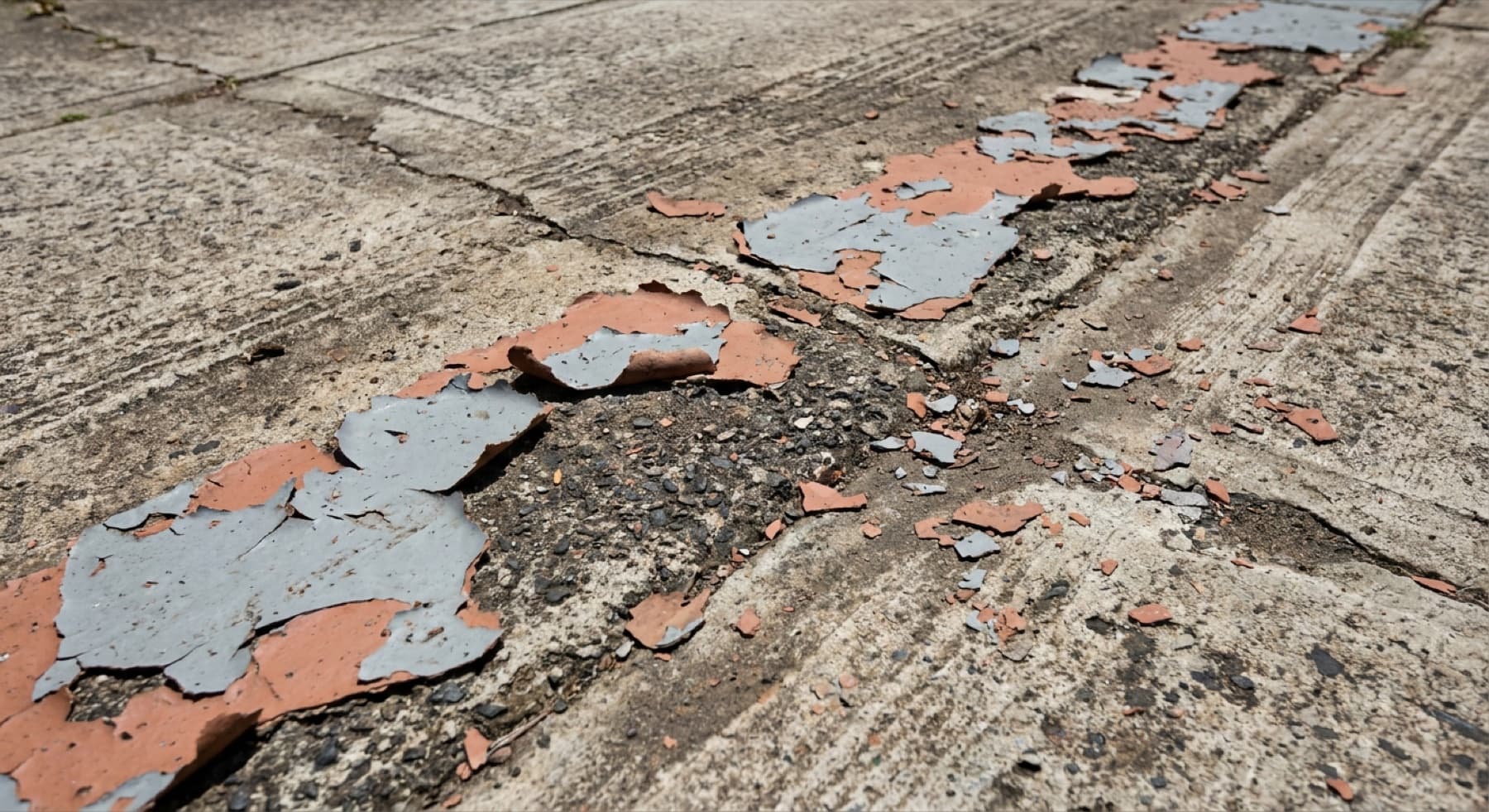
- Paint peels and flakes — moisture under the film pushes it off, especially in tyre tracks and sun.
- A colour seal fades slowly rather than peeling, because the pigment is in the surface, not on it.
- Already painted? It usually has to be stripped or stabilised first, or new coatings keep lifting.
It's the question we get asked most about colour: "can't I just paint my driveway?" You can — and most people who do regret it within a couple of years. Here's the honest difference, because it's the single most important thing to understand before you spend money on colour.
The core difference
Colour seal vs paint, side by side
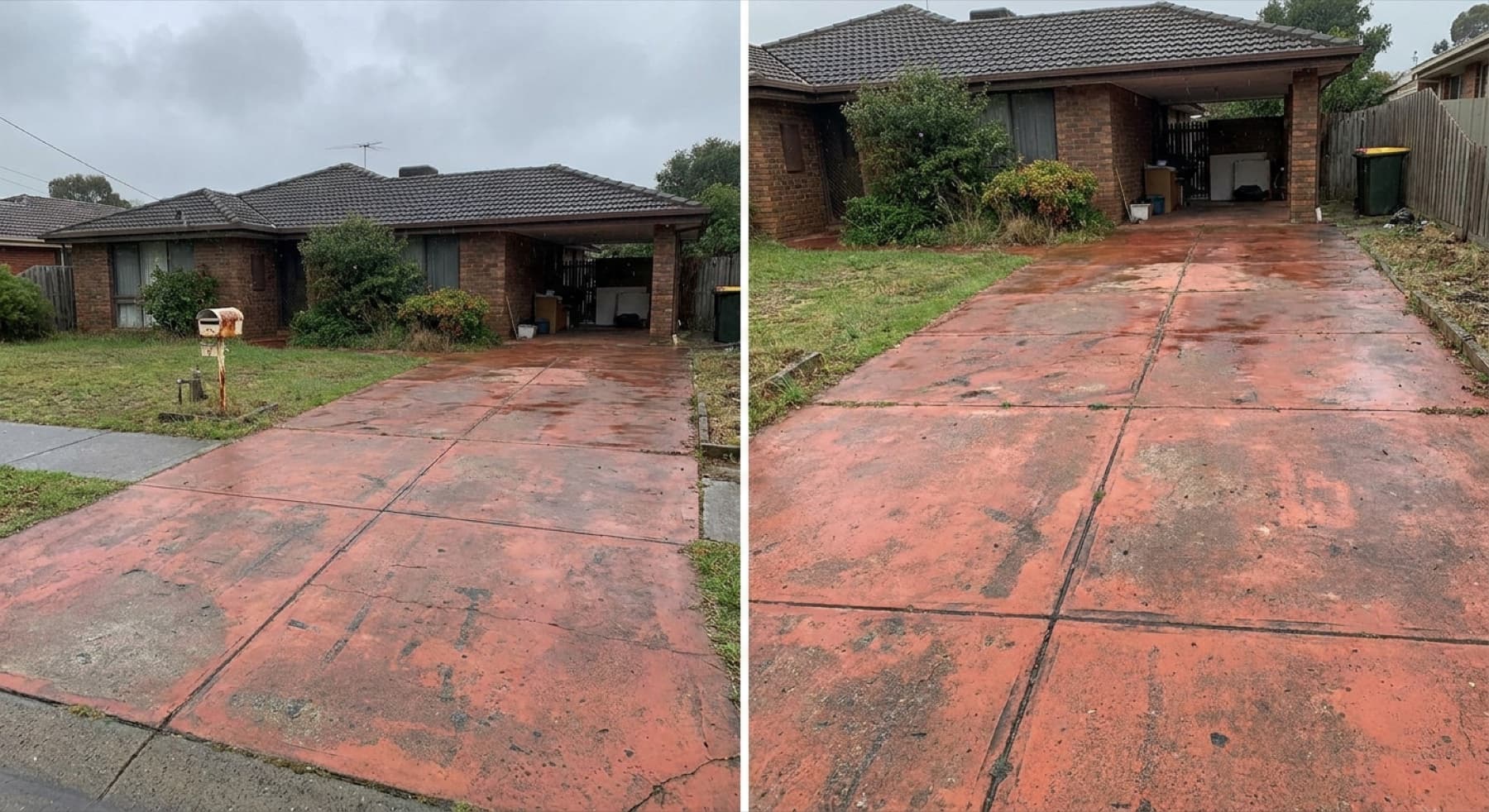
Colour seal
A pigmented sealer that soaks into the top layer of the concrete and colours it while sealing. The colour lives *in* the surface.
Best for: Restoring and recolouring tired concrete.
Lasts: Fades slowly, doesn't peel. Reseal in years.
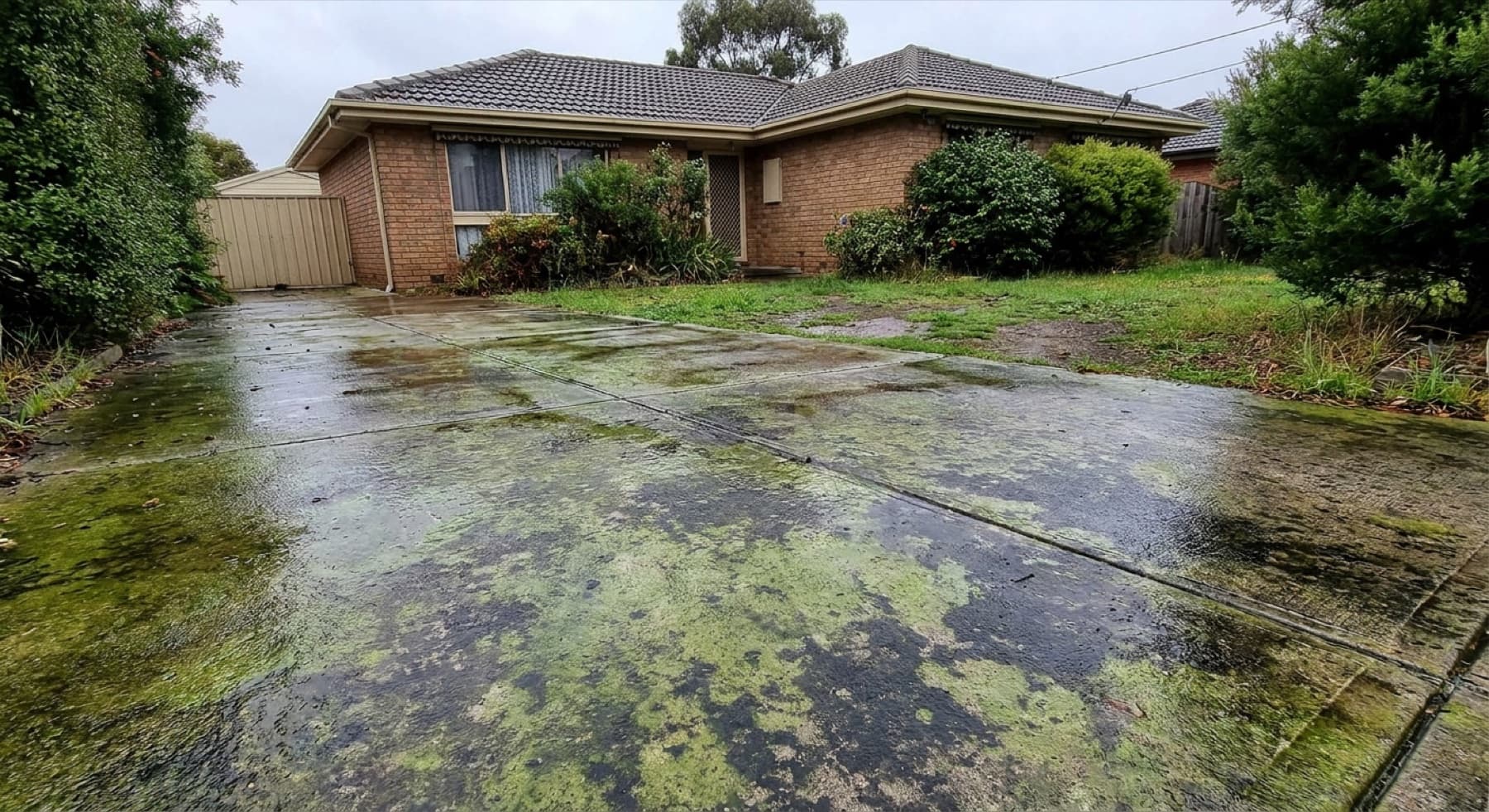
Driveway paint
A pigment-heavy film that sits *on top* of the concrete like a skin. Looks good on day one.
Best for: We don't recommend it — here's why.
Lasts: Peels and flakes, often within a couple of years.
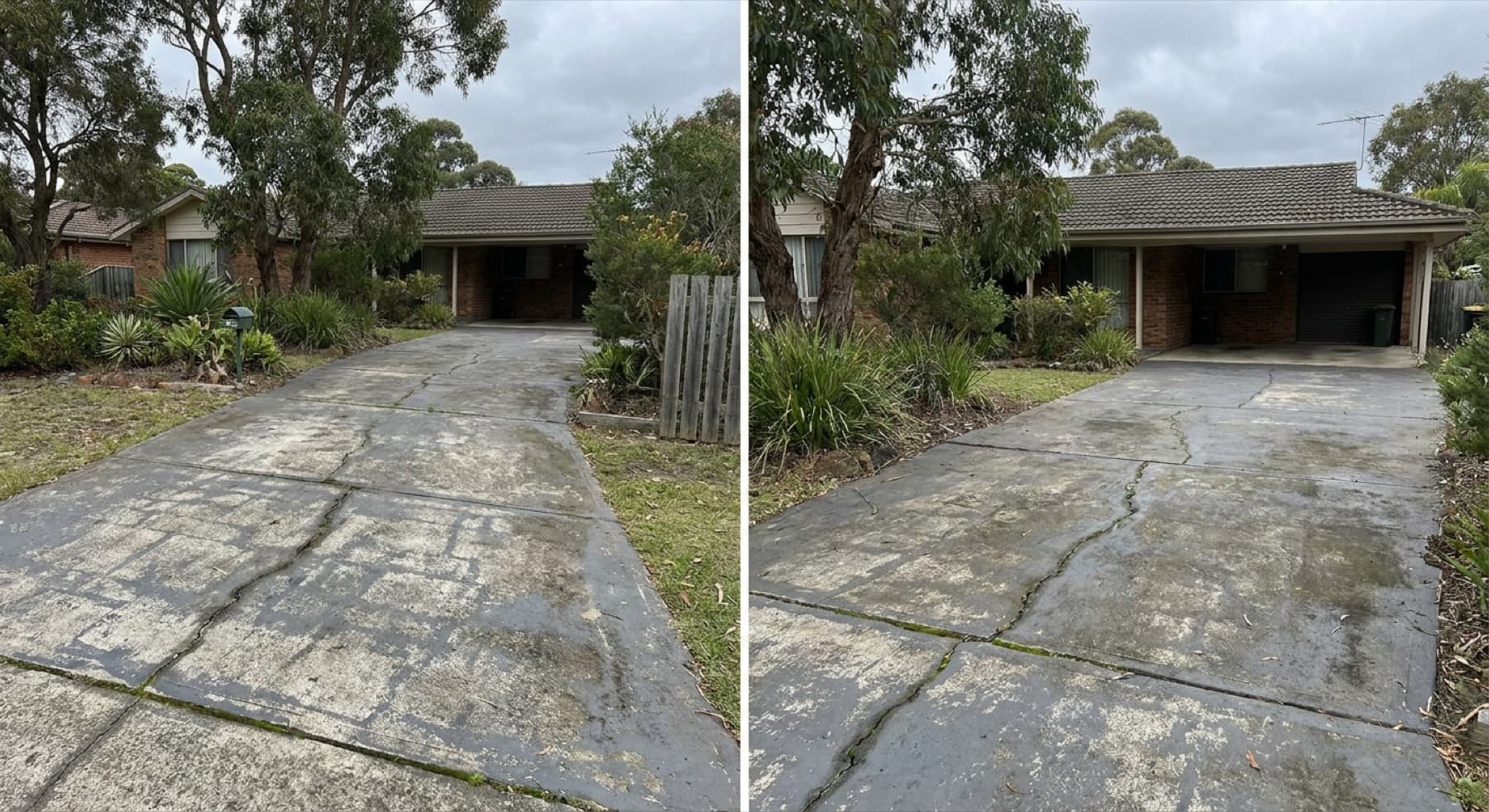
Clear seal
A clear protective coat that keeps the existing colour and just protects and lifts it.
Best for: Concrete that's already in good nick.
Lasts: Protects and enhances; reseal every few years.
Why paint peels (and a colour seal doesn't)
Concrete breathes — moisture moves up through the slab from the ground. Paint is a film sitting on top, so that moisture gets trapped underneath and pushes the paint off. Add hot sun, tyre scrub and water, and it lifts, flakes and peels — usually starting in the wheel tracks. Because paint is mostly pigment with relatively little binder, once it starts going it goes fast.
A colour seal works completely differently. The pigment penetrates and bonds into the top layer of the concrete, and the surface stays breathable. So instead of peeling off in sheets, it wears the way concrete should — slowly and evenly, with colour still in the surface. When it eventually dulls, you reseal; you never get that ugly flaking-skin look.
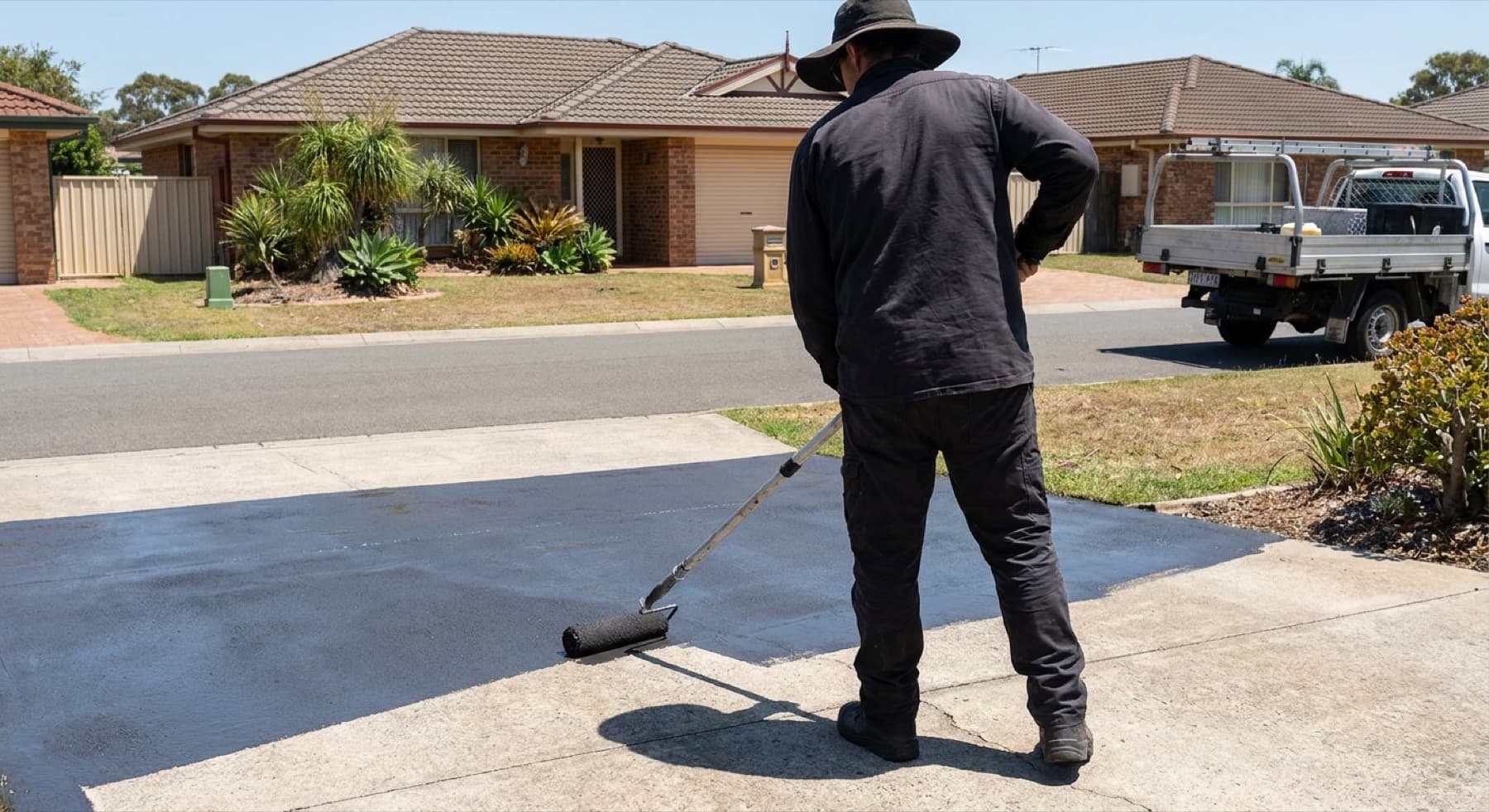
Already painted your driveway?
Don't just seal over it. Old paint or an incompatible coating has to be stripped or stabilised first, or whatever goes on top will lift with it. Send us a photo and we'll tell you honestly what it needs.
Is a colour seal just expensive paint?+
No — it's a fundamentally different product. Paint is a surface film; a colour seal penetrates and bonds into the concrete. That's exactly why one peels and the other doesn't.
My driveway is already painted — can you still colour seal it?+
Sometimes, but only after the old paint is assessed. If it's stable it may be able to be worked with; if it's peeling it usually has to come off first. We'll take a look and give you a straight answer.
Will a colour seal be slippery?+
A semi-gloss finish can be a little slick when wet, so for steeper or shaded driveways we can add a fine anti-slip additive. We'll recommend the right finish for your driveway.
Written by the Clean & Seal team — two brothers who clean and colour-seal driveways across the Central Coast, NSW. We wrote this from real jobs, not a brochure.