Faded, Peeling Stencilcrete? How to Make a Stencil Driveway Look New Again
Stencil driveways were everywhere in the 90s and 2000s — and a lot of them are now faded, patchy and tired. The good news: most can be brought back to life without ripping anything up.
The quick version
- Stencilcrete fades because UV chalks the pigment and the original sealer wears off — it's cosmetic, not structural.
- Most faded stencil driveways can be cleaned and re-colour-sealed rather than replaced.
- Restoration is a fraction of the cost of ripping up and repouring.
- Any old sealer or paint has to be assessed first — it's the number-one cause of DIY failures.
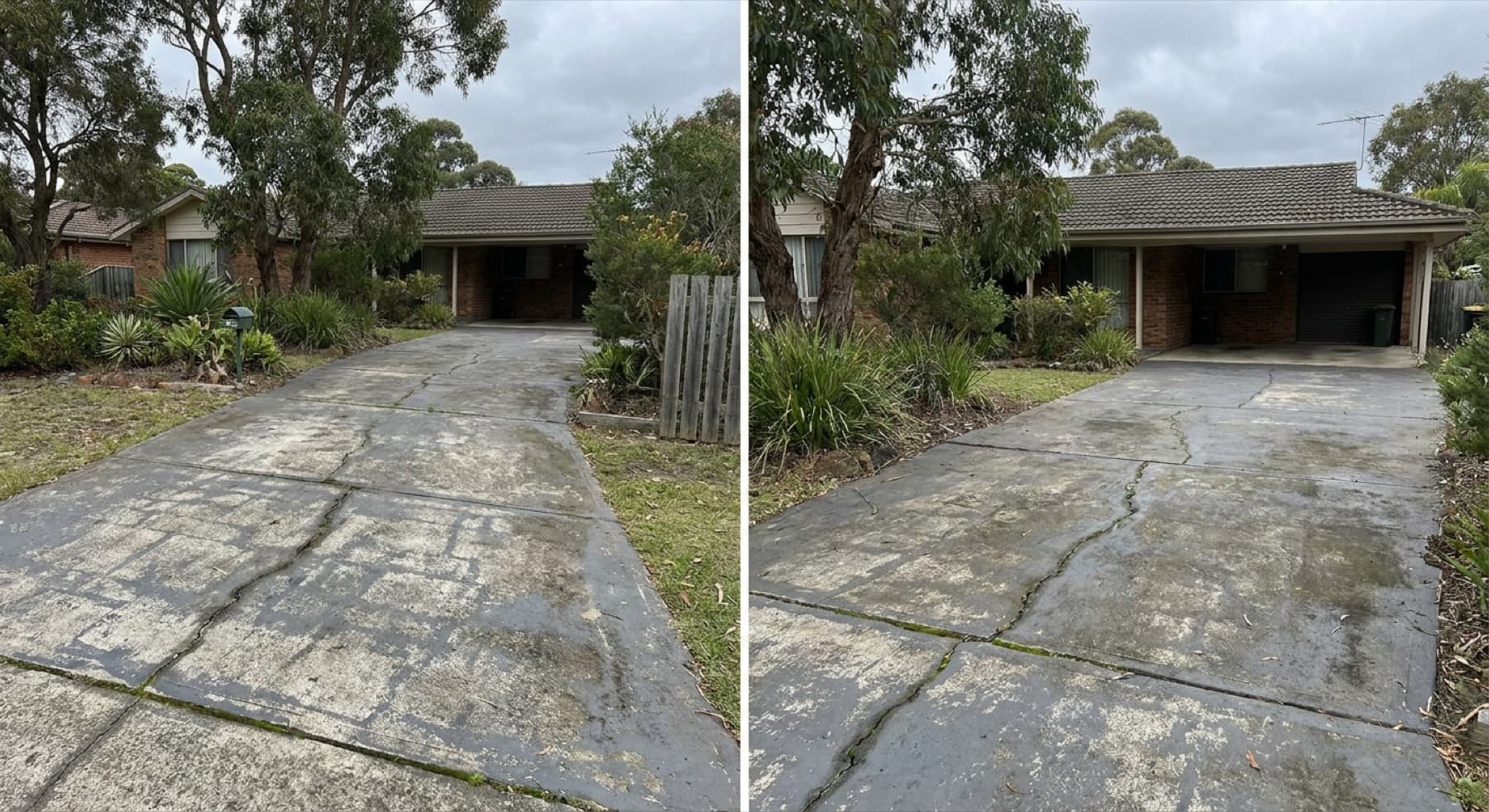
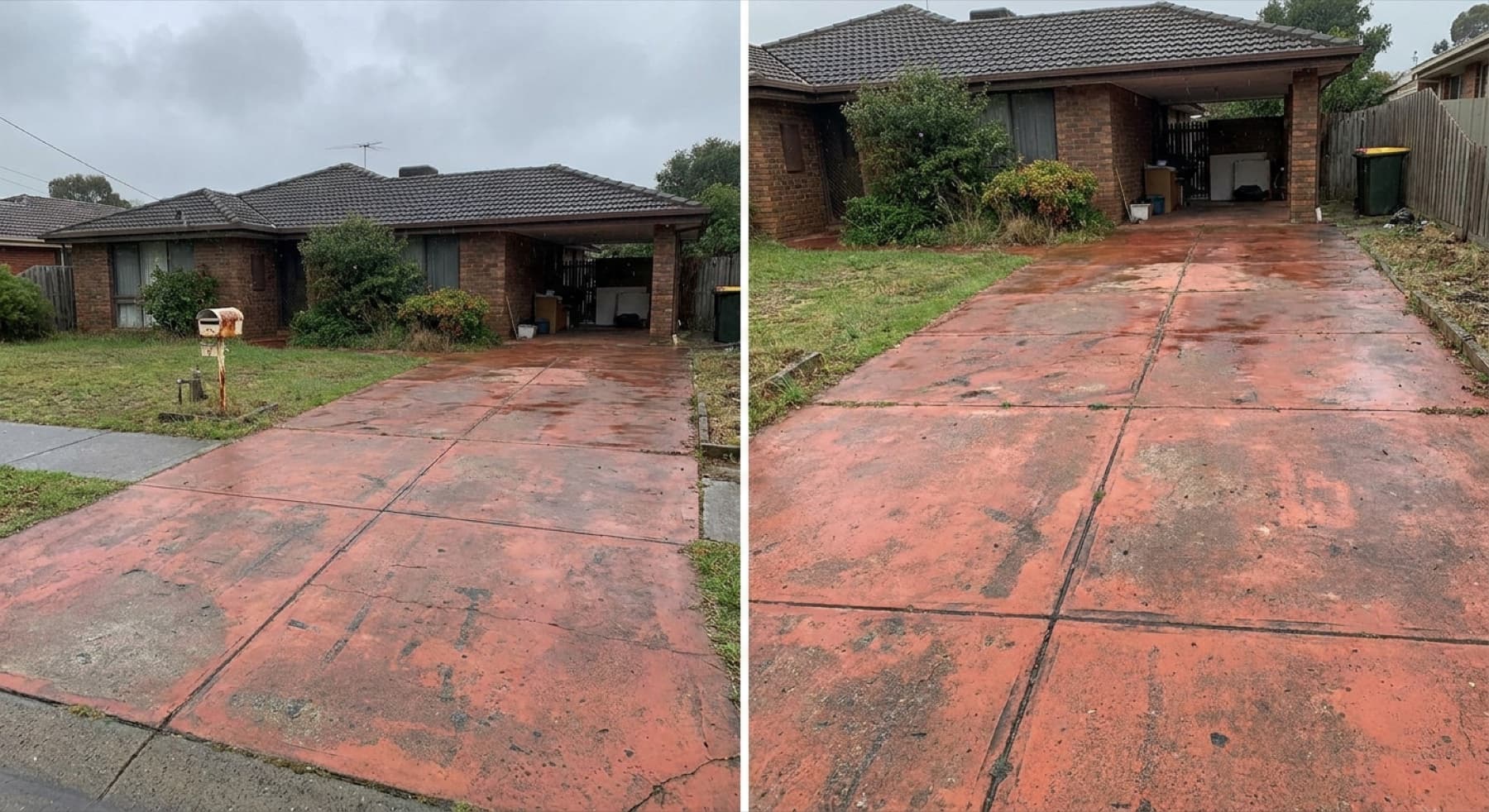
Stencil concrete — that patterned "stencilcrete" with the brick or cobblestone look — was hugely popular across the Central Coast in the 90s and 2000s. Two decades of sun later, a lot of it is faded, blotchy and grey where the colour used to be. If that's your driveway, here's the good news and the honest bad news.
Why stencilcrete fades and peels
- UV chalks the pigment — years of harsh Australian sun bleaches the colour out of the surface.
- The original sealer wears off — once it's gone, the raw, thirsty concrete looks dull and patchy.
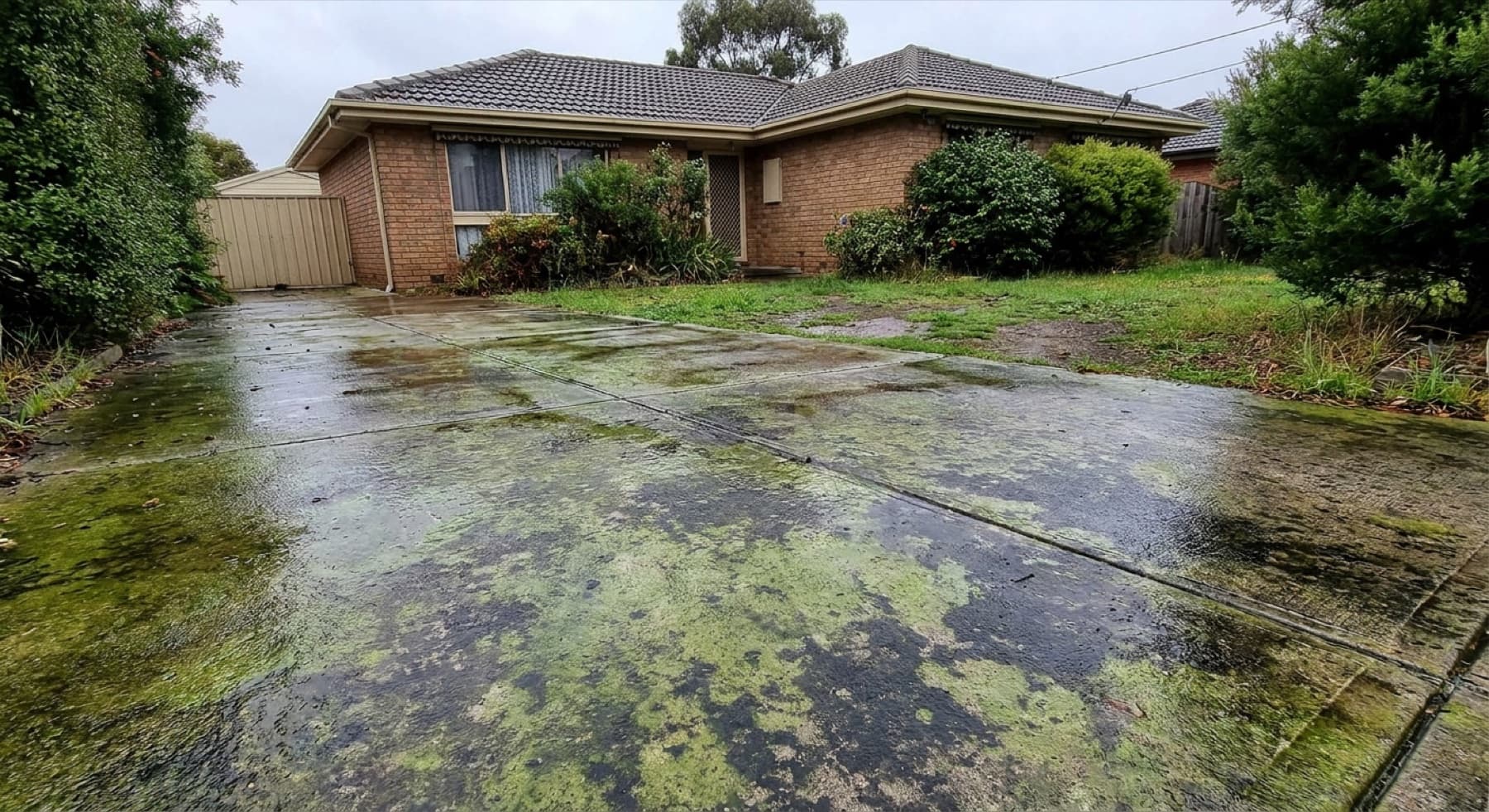
- Grout lines collect grime — the pattern joints trap dirt, algae and the odd weed, making the whole thing look tired.
The important part: this is almost always cosmetic wear, not structural failure. The slab itself is usually fine — it just looks worn. That's exactly why it's restorable.
Restore vs replace — the honest decision
You've really got two options. Replacing the driveway means ripping up sound concrete and repouring at roughly $90–$120/m² — rarely necessary unless the slab is badly cracked, heaving or has drainage problems. Restoring it means a proper clean, then re-colour-sealing to a fresh, even colour — a fraction of the cost, and often a day or two's work. For most faded stencil driveways, restoration is the smart spend.
How the restoration works
- Clean — soft-wash and treat the surface so the algae, grime and old grot come out of the pattern and grout lines without blasting the stencil away.
- Dry & prep — the surface has to be completely dry, with any failing old coating assessed and dealt with.
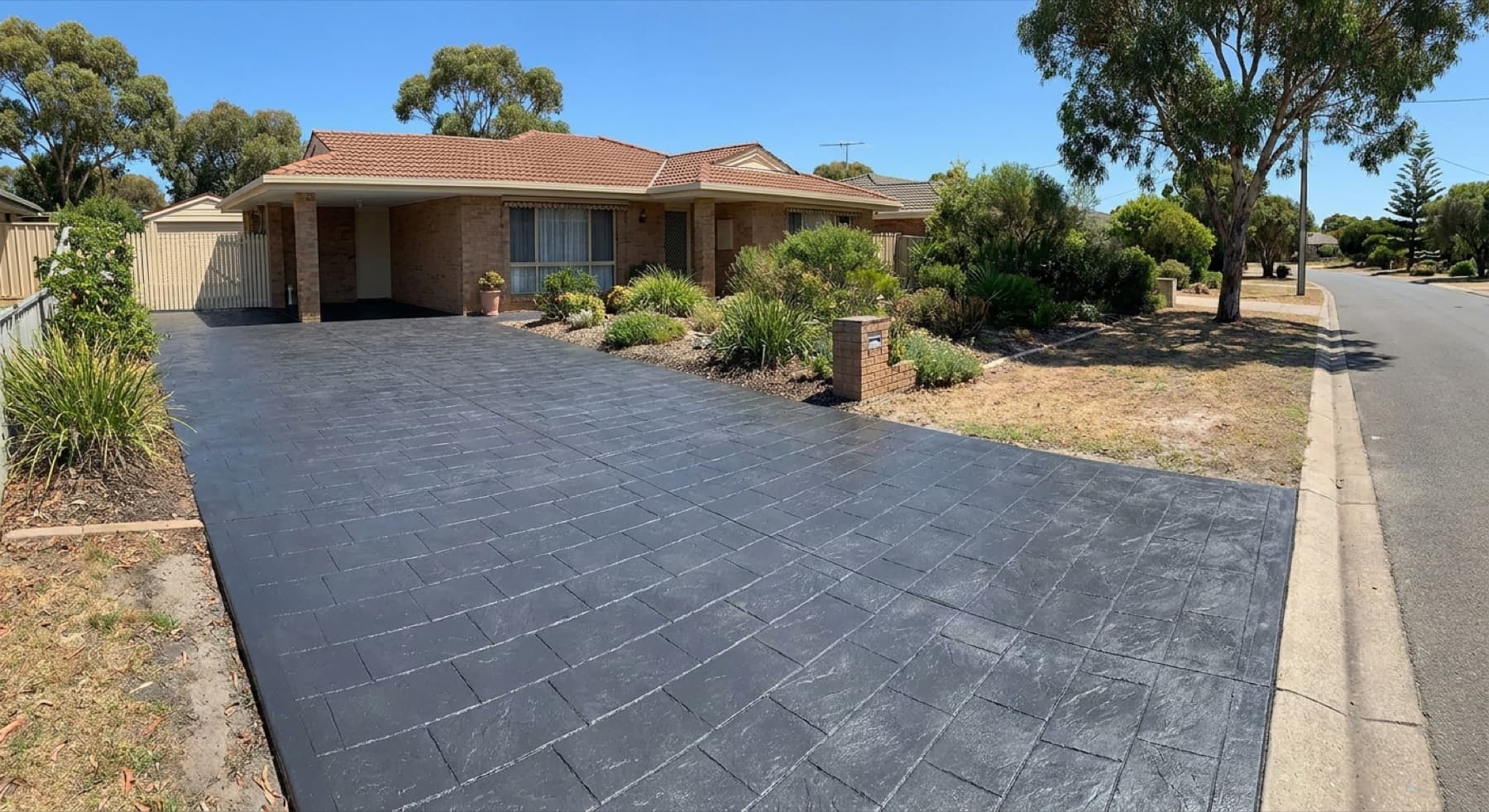
- Colour seal — a tinted colour seal (we use Dulux Avista) goes on in even coats, evening out the fade and covering the tired grout lines with a fresh, uniform colour.
One honest warning
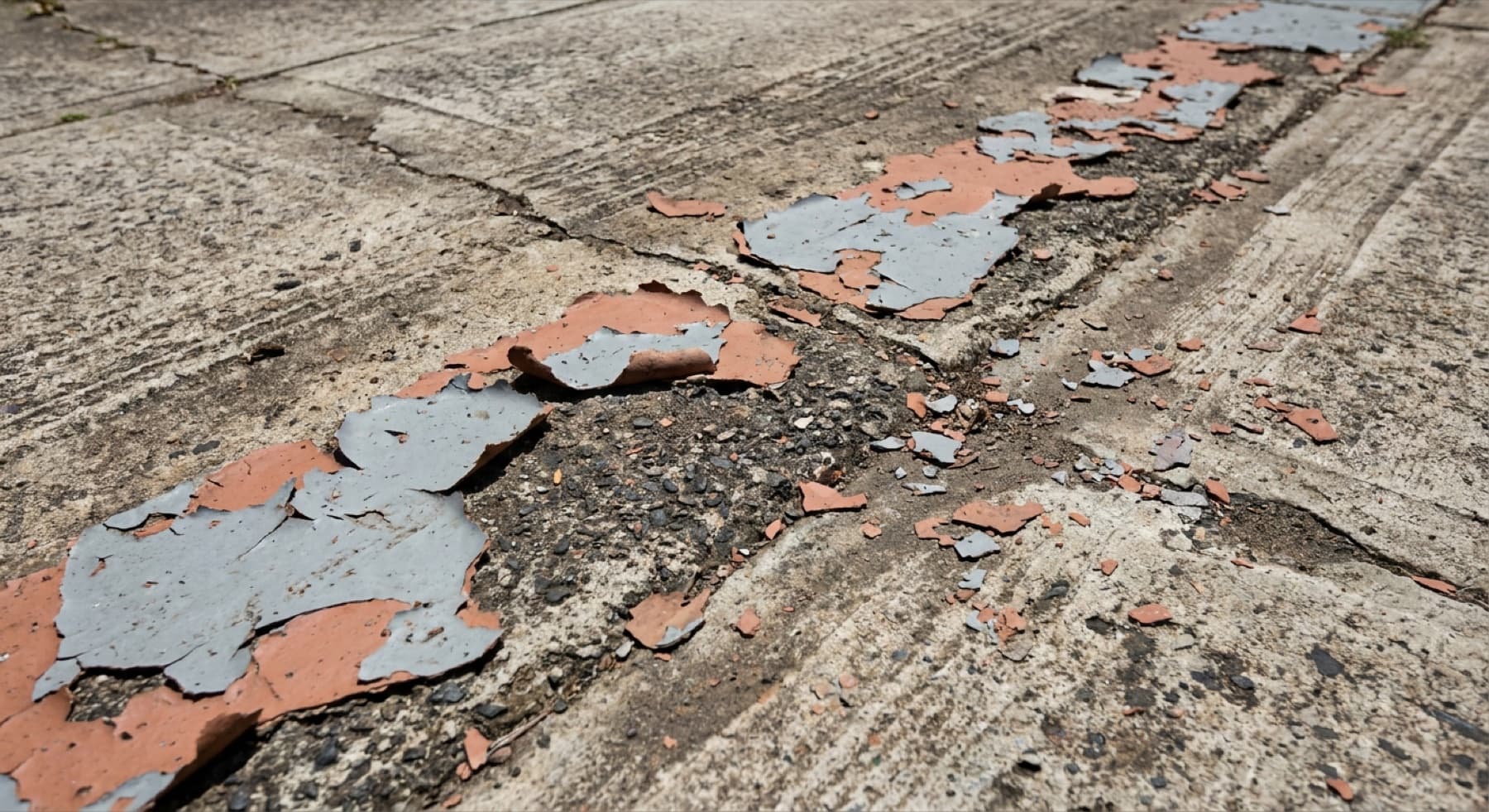
If your stencil driveway has been painted in the past, tell us — old paint or an incompatible sealer has to be assessed and dealt with first, or a new coat just peels off with it. It's the single most common reason DIY restorations fail.
Can I change the colour, or only refresh the old one?+
You can change it. Going darker — say to a charcoal or bluestone — is easy and very popular. Going lighter over a dark colour takes more coats. We'll help you pick a colour that suits your home.
Do the white grout/pattern lines disappear?+
The colour seal goes over the whole surface, so faded and dirty grout lines are covered by the fresh, even colour rather than standing out. The pattern texture stays; the tired look goes.
Is it really cheaper than replacing?+
Almost always, and by a long way — you're cleaning and recolouring a sound slab rather than demolishing and repouring it. Replacement only makes sense if the concrete itself is structurally shot.
Written by the Clean & Seal team — two brothers who clean and colour-seal driveways across the Central Coast, NSW. We wrote this from real jobs, not a brochure.