Is Sealing Your Driveway Actually Worth It? An Honest Central Coast Answer
No sales pitch — the honest case for and against sealing a concrete driveway, and the situations where it's genuinely worth it (and the one where it isn't).
The quick version
- Sealing protects against UV fade, salt, oil and stains, and slows algae — but bare concrete won't instantly fail without it.
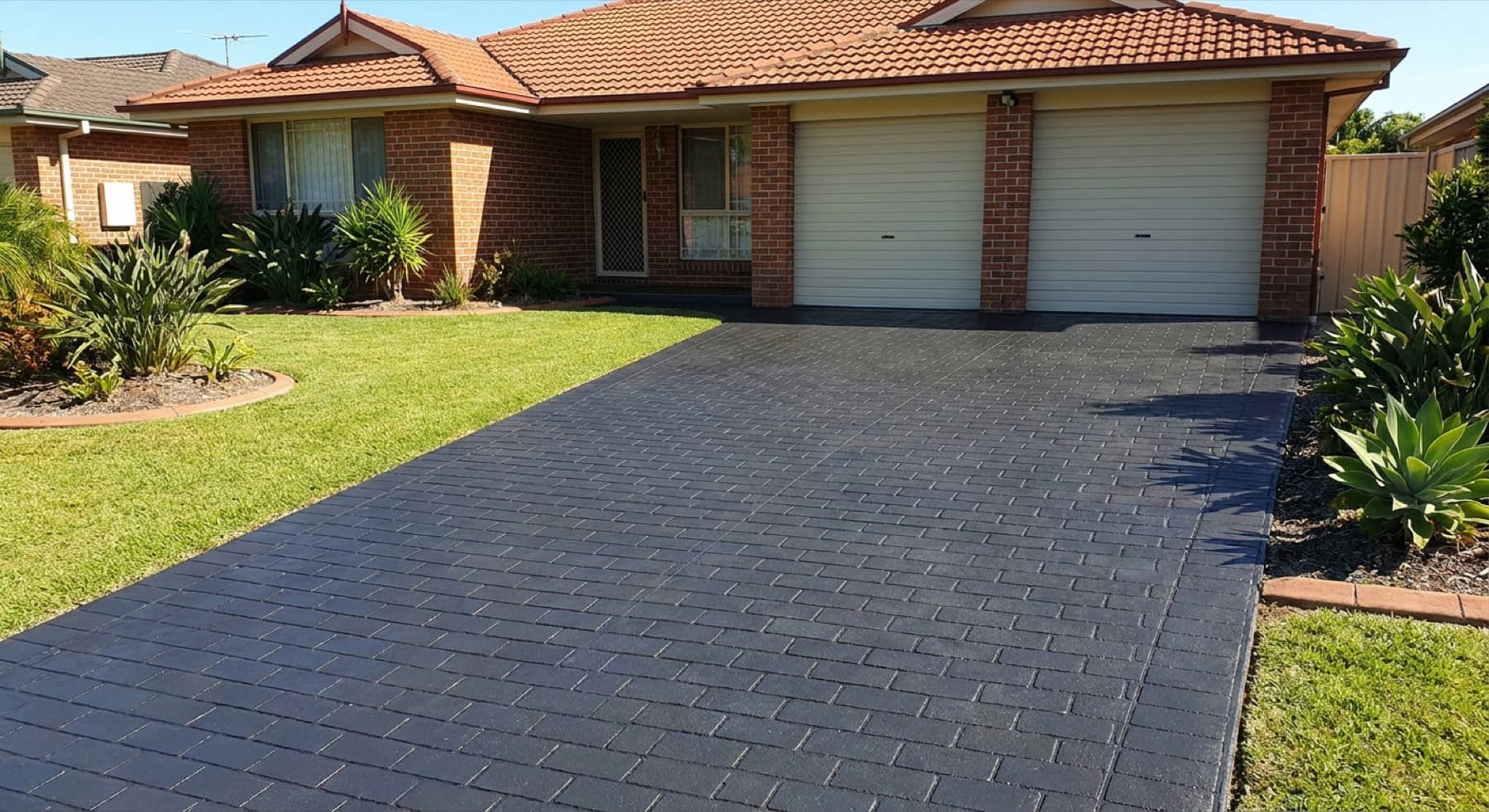
- It's most worth it for decorative, coloured, stencil or coastal driveways, where the look is the whole point.
- A quality seal costs a fraction of replacing the slab and makes upkeep far easier.
- It's least worth it on a plain slab you don't care about the look of and that stays dry and shaded-free.
You'll get a biased "yes, absolutely" from anyone who seals driveways for a living. Here's the honest version instead — because sealing genuinely isn't worth it for every driveway, and you should know which camp yours is in before spending a cent.
What sealing actually does
- Protects the colour — UV is brutal on the Central Coast and fades concrete, especially coloured and stencil surfaces. A seal slows that right down.
- Keeps water, salt and oil out — sealed concrete is far less porous, so spills sit on top and wipe up instead of soaking in and staining.
- Slows algae and mould — the green and black growth that coastal humidity loves has much less to grab onto.
- Makes cleaning easy — a sealed driveway hoses off in minutes instead of needing a full scrub.
The honest caveat
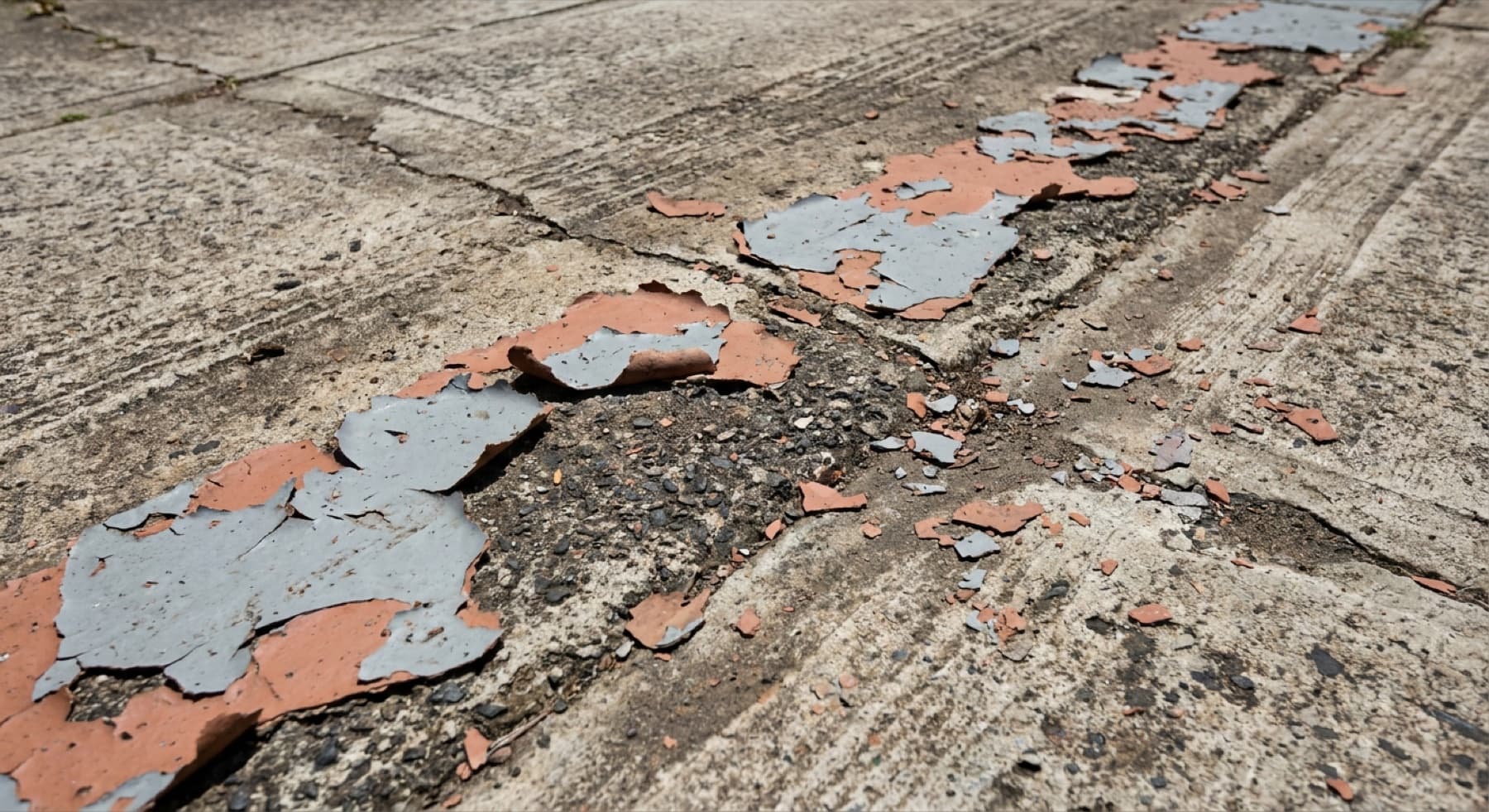
Bare, unsealed concrete is durable. It won't crumble or fail just because it isn't sealed — plenty of driveways go decades without it. So sealing isn't about stopping your driveway falling apart; it's about appearance, easier maintenance and extending the good years, particularly for surfaces where the finish matters.
When it's genuinely worth it
- You've got coloured, stencil or exposed aggregate concrete — the whole reason you paid for that finish is the look, and sealing is what keeps it.
- You're on the coast — salt air and humidity drive fading, efflorescence and algae faster here, so protection pays off.
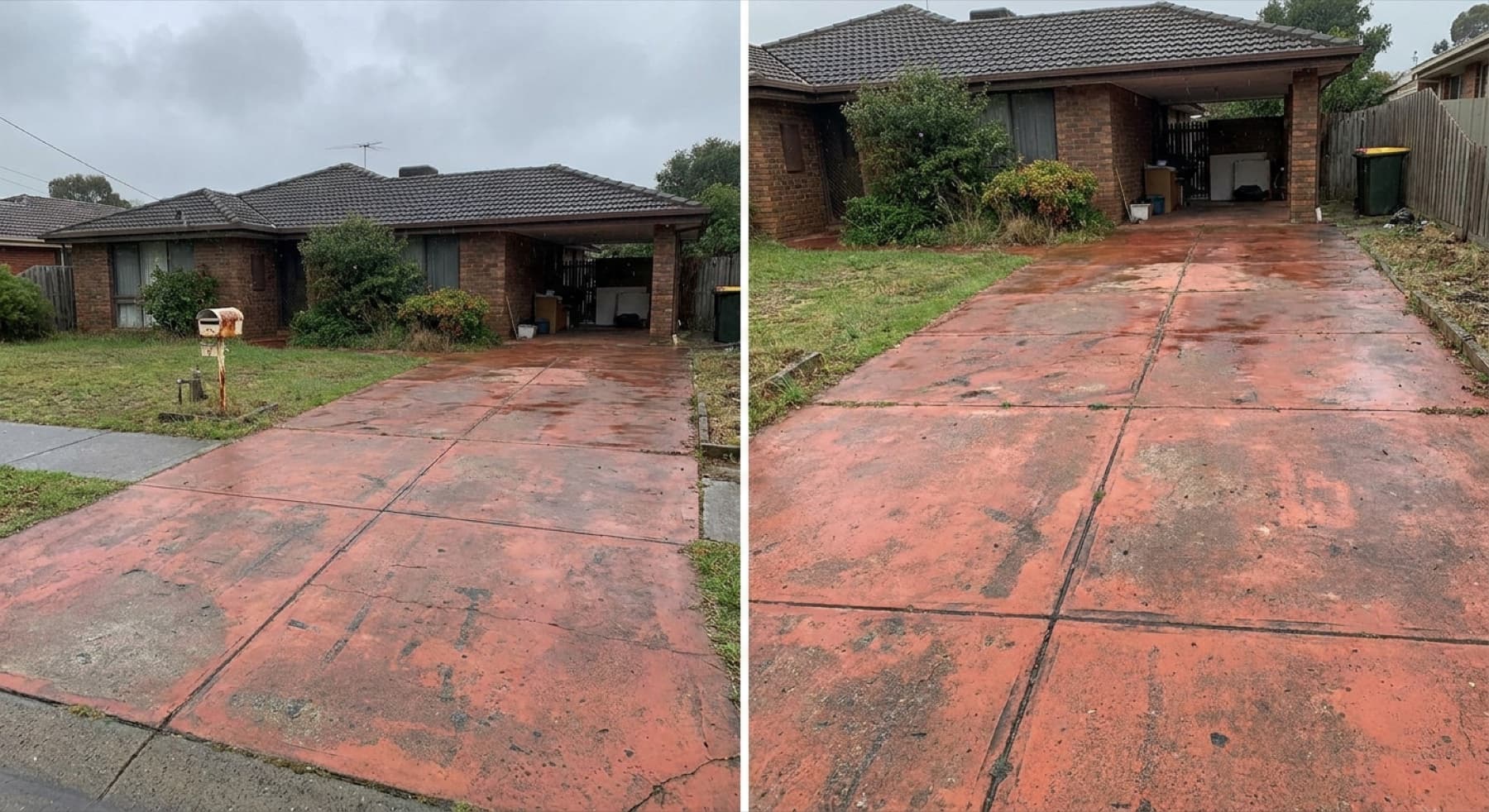
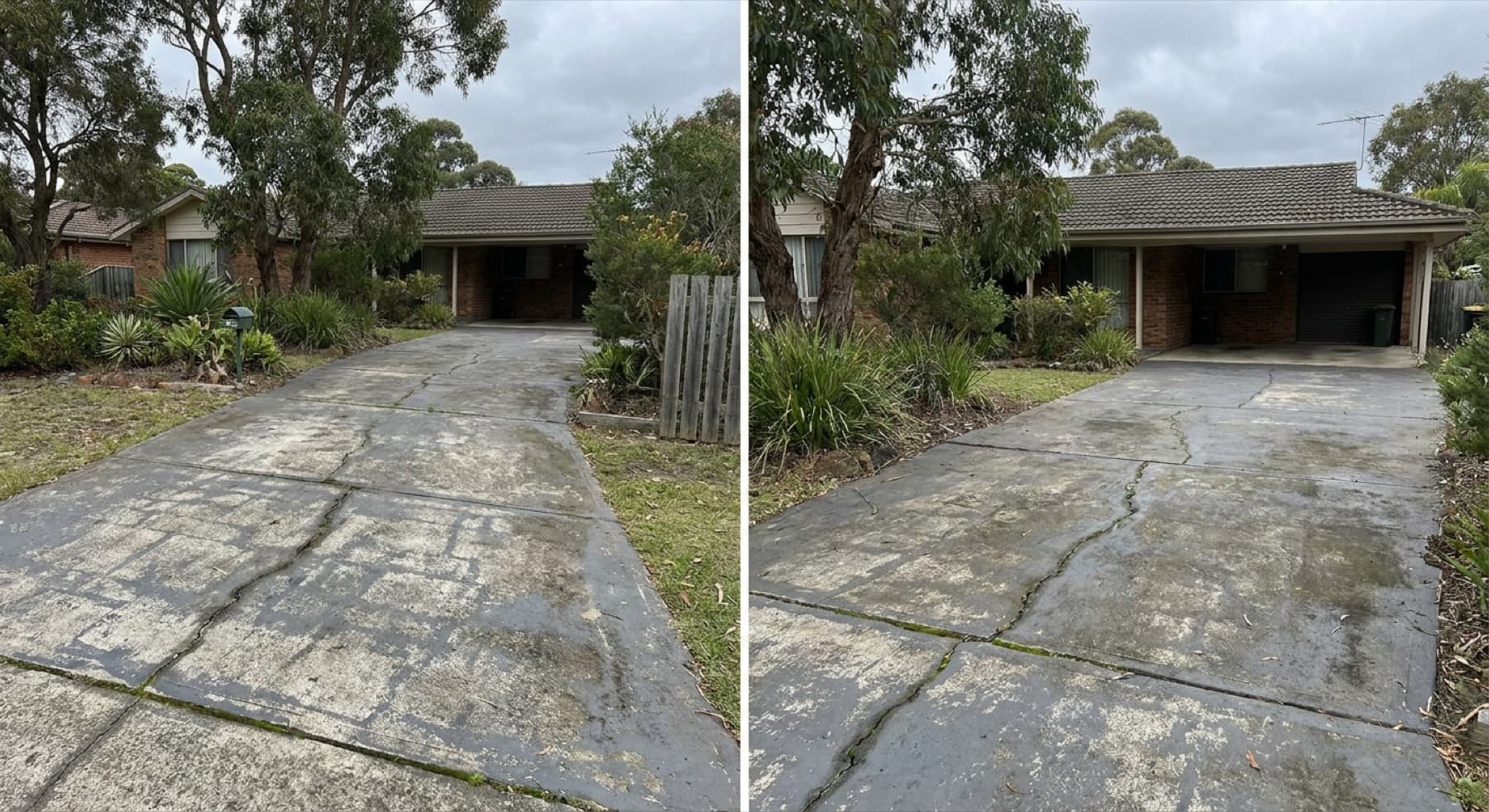
- Your driveway is tired or faded and you want it looking new without replacing it.
- You're selling — a fresh, sealed driveway is cheap kerb appeal that photographs well.
When it's probably not
If it's a plain grey slab out the back that you genuinely don't care about the look of, stays in full sun (so algae isn't an issue) and never gets stained — you can happily leave it. We'll tell you that honestly rather than sell you a job you don't need.
Not sure which camp you're in?
Send us a photo and we'll give you a straight answer on whether your driveway is worth sealing — and if it's not, we'll say so. Ask us here.
How long does driveway sealing last?+
Honestly, it's a range, not a single number — typically around 2–3 years for a topical seal, longer for premium systems, and shorter in full sun or heavy traffic. We'll recommend a reseal window for your exact driveway and exposure.
Does sealing stop my driveway going green?+
It slows it down a lot rather than stopping it forever. A sealed surface holds far less moisture for algae to feed on, so it stays cleaner much longer and hoses off easily when it does need it.
Is sealing worth it on the coast specifically?+
More so than inland. Salt air, humidity and strong UV all work harder on Central Coast driveways, so the protection a seal gives is genuinely more valuable here.
Written by the Clean & Seal team — two brothers who clean and colour-seal driveways across the Central Coast, NSW. We wrote this from real jobs, not a brochure.